
Travel notes
The Legacy of Francisco Pizarro: Shaping the Destiny of Lima 🌆. Lima, the vibrant capital of Peru, stands as a testament to the enduring legacy of Francisco Pizarro, the Spanish conquistador whose ambitions and actions indelibly marked the city’s destiny. 🌍 In 1535, Pizarro founded Lima, envisioning it as the ‘City of Kings,’ a beacon of Spanish power and Christianity in the New World. 🏰 His establishment of Lima was strategic, aimed at securing Spain’s grip on the vast wealth of the South American continent. 🗡️ Pizarro’s influence on Lima was profound, laying the groundwork for its development into a crucial administrative and ecclesiastical center of the Spanish Empire in South America. His vision for the city was characterized by the imposition of European architectural styles, the introduction of Christianity, and the establishment of a social and economic system that would shape Lima’s identity for centuries to come. 🛕 Under Pizarro’s directive, Lima flourished as a hub of Spanish colonial power, its streets and buildings mirroring the grandeur of a distant empire. Yet, the legacy of Pizarro is complex, intertwined with narratives of conquest and cultural exchange. 📚 Today, visitors to Lima can witness the architectural marvels of the colonial era, delve into the rich tapestry of its history, and reflect on the city’s transformation from its inception by Pizarro to its current status as a bustling metropolis and cultural heart of Peru. 🍽️ In exploring Lima, one navigates the layers of history, each telling a story of ambition, struggle, and resilience. Pizarro’s legacy, while controversial, is undeniably a cornerstone of Lima’s historical and cultural landscape, inviting travelers to ponder the profound impact of historical figures on the destinies of cities.
Travel notes:
📍 **Location:** Lima, Peru – Founded by Francisco Pizarro in 1535, also known as the ‘City of Kings.’
🏰 **Key Landmarks:**
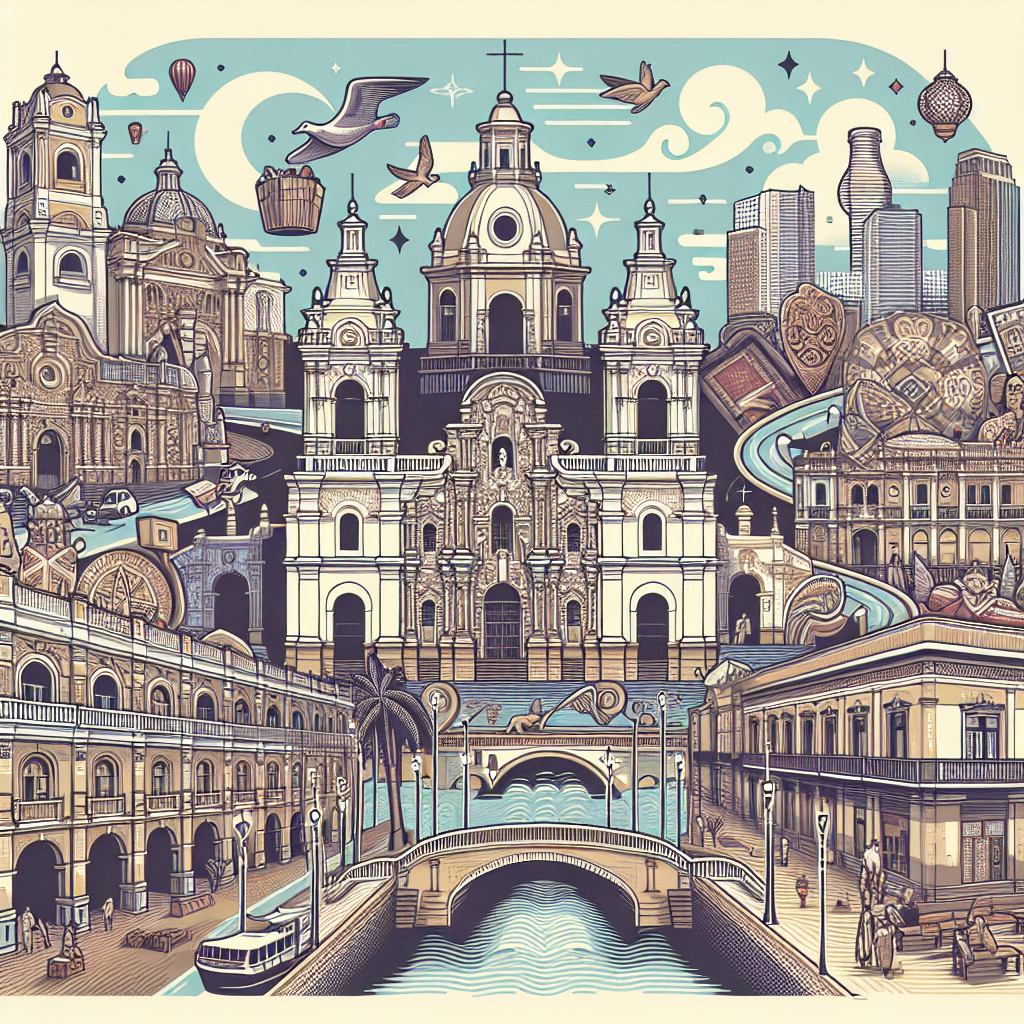
– **Historical Center of Lima:** This area reflects the grandeur of the Spanish Empire with its colonial architecture and is a UNESCO World Heritage Site. Here, visitors can explore ancient churches, palaces, and plazas that echo the city’s rich history.
🛕 **Churches and Convents:** Under Pizarro’s influence, numerous ecclesiastical buildings were erected, showcasing European architectural styles and the introduction of Christianity. These sacred sites offer a glimpse into the spiritual and cultural transformation of Lima.
📚 **Cultural Sites:** Lima’s museums and cultural institutions house artifacts and exhibits that narrate the city’s transformation from its inception to the present day, detailing the complex legacy of conquest and cultural exchange.
🍽️ **Culinary Experience:** Lima is renowned for its vibrant food scene. While specific restaurants are not mentioned, the city’s culinary offerings reflect a mix of indigenous, Spanish, and other influences, inviting travelers to indulge in a rich gastronomic journey.
**Note:** Details such as specific ways to get there, prices, and exact locations of each landmark or visited place mentioned are not provided within the chapter. For the most current information and to plan your visit, it is recommended to check official tourism websites or contact local tour operators directly.