
Travel notes
The Taste of Seoul: How to Make Kimchi at Home 🍜
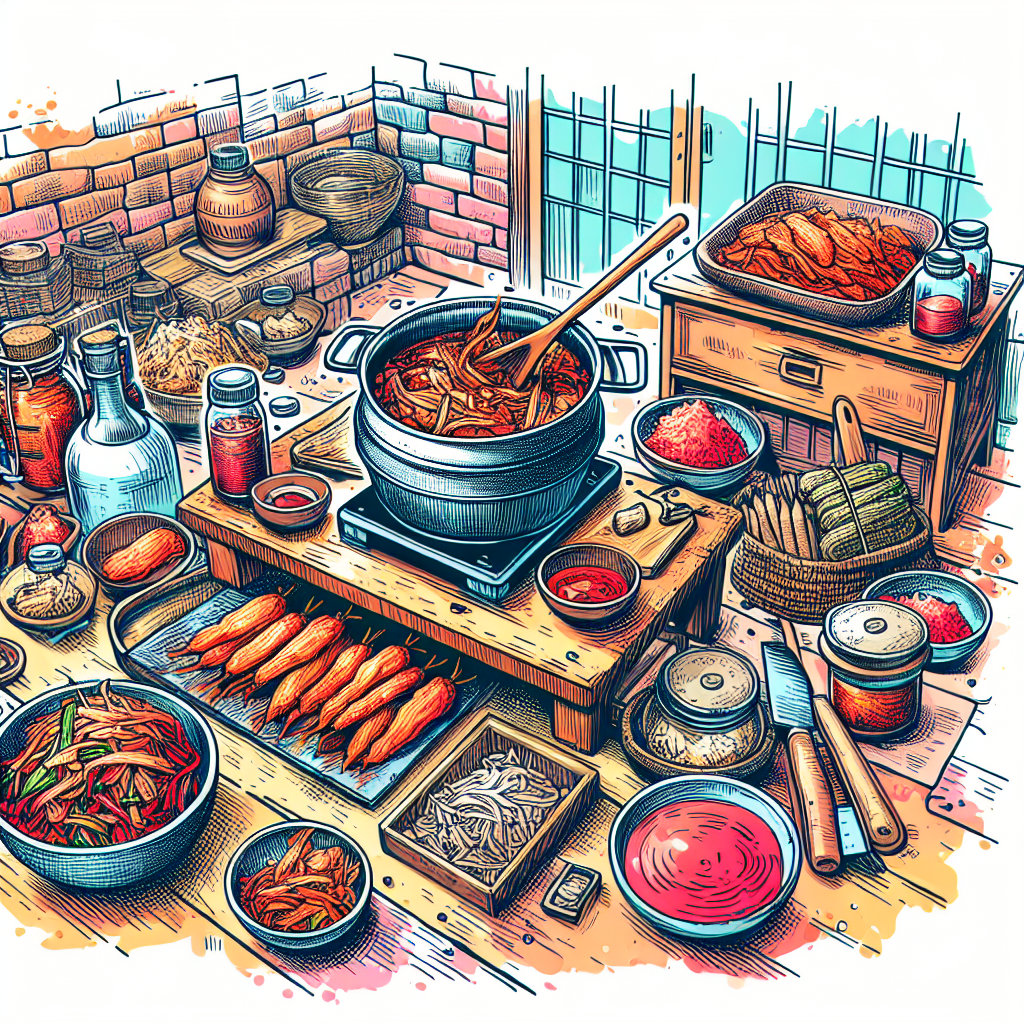
Kimchi, the heart and soul of Korean cuisine, is as vibrant and diverse as Seoul itself. This fermented vegetable dish, typically made with Napa cabbage and Korean radish, marinated in a rich blend of garlic, ginger, scallions, and a variety of chili powders, offers an enchanting melody of flavors that are both spicy and umami-rich. Let’s embark on a culinary journey to bring a taste of Seoul into your kitchen.
**Ingredients**:
– 1 Napa cabbage
– 1/4 cup of salt
– Water, enough to cover the cabbage
– 1 tablespoon of grated ginger
– 4 cloves of garlic, minced
– 2 tablespoons of fish sauce
– 1 tablespoon of sugar
– 3 tablespoons of Korean chili flakes (Gochugaru)
– 1 medium Korean radish, julienned
– 4 scallions, chopped
**Instructions**:
1. Slice the Napa cabbage in half, then cut it into quarters. Sprinkle the quarters with salt and let them sit for about 2 hours, until they begin to soften. Rinse the cabbage under cold water and let it drain.
2. In a large mixing bowl, combine ginger, garlic, fish sauce, sugar, and Korean chili flakes to create the kimchi paste.
3. Add the julienned radish and chopped scallions to the paste, mixing thoroughly.
4. Carefully rub the kimchi paste into the layers of the cabbage leaves, ensuring every piece is evenly coated.
5. Place the coated cabbage in a jar, pressing down to eliminate any air pockets. Seal the jar and let it ferment at room temperature for 1 to 5 days, checking daily and pressing down on the cabbage to keep it submerged under its juices.
6. Once fermented, store the kimchi in the refrigerator. It will continue to ferment, developing richer flavors over time. Enjoy your homemade kimchi with rice, noodles, or as a side to any meal for a true taste of Seoul.
From the crisp, refreshing crunch of the vegetables to the deep, complex flavors of the seasoning, making kimchi at home invites a piece of Seoul’s culinary tradition into your life. 🇰🇷
Travel notes:
Unfortunately, this chapter does not specifically mention any landmarks, visited places, or key hotspots in Seoul that would traditionally be included in a travel guide’s notes section. It focuses on the culinary experience of making kimchi at home, thereby not providing any direct information on locations, ways to get there, or prices related to Seoul’s attractions. For the most authentic experience of Seoul’s cuisine, including kimchi, exploring local markets and restaurants throughout the city is recommended. 🍜